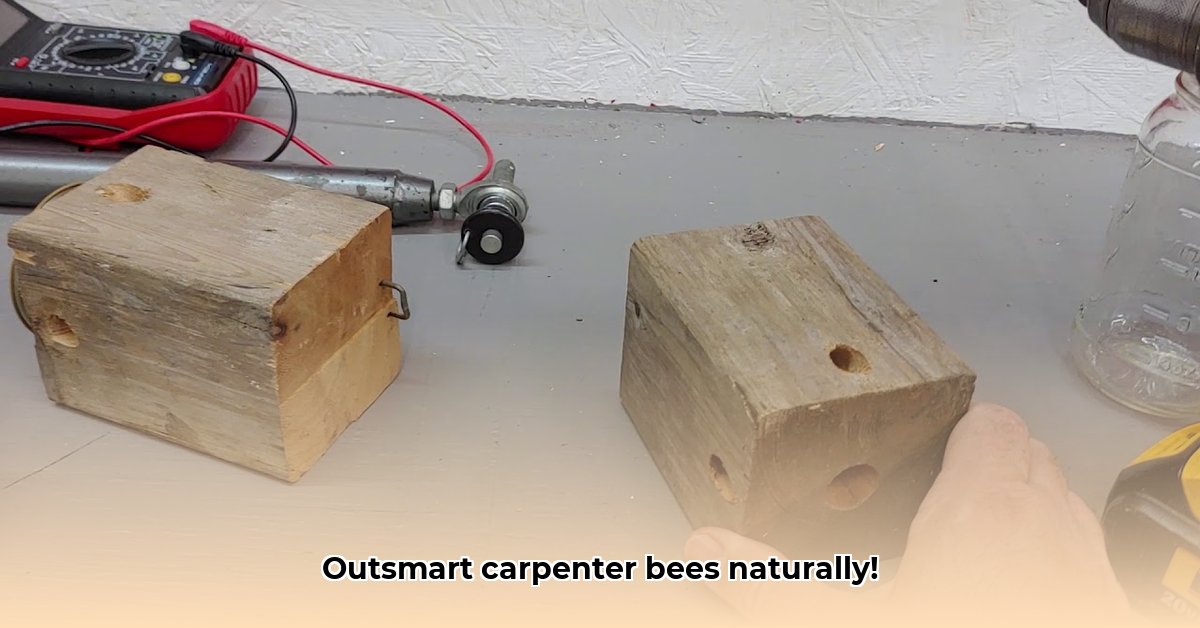
Carpenter bees: beneficial pollinators, but unwelcome guests when they set up shop in your wooden structures. This guide provides a step-by-step approach to using the Tractor Supply carpenter bee trap, integrating it into a larger Integrated Pest Management (IPM) strategy for sustainable pest control. We'll cover setup, maintenance, and disposal, while also evaluating its effectiveness and comparing it to other methods. For more information on Tractor Supply's commitment to the community, check out their donation request page.
How the Tractor Supply Trap Works
The Tractor Supply carpenter bee trap employs a simple yet effective design. It uses a pheromone attractant (usually included) to lure carpenter bees inside. Once inside, the bees are unable to find their way out, providing a humane method of control. The trap's design avoids the use of harmful chemicals, making it an environmentally friendly option.
Setting Up Your Trap: A Step-by-Step Guide
Setting up the trap is straightforward. Follow these steps for optimal results:
Strategic Placement: Locate areas with high carpenter bee activity—often sunny spots on wooden structures, near existing bore holes, or where bees are frequently seen. Placement near existing nests will increase effectiveness.
Baiting the Trap: Carefully follow the manufacturer's instructions for adding the attractant (pheromone). This ensures proper functionality and attracts the target insects. Securely close the trap once the attractant is added.
Regular Monitoring & Maintenance: Regularly monitor the trap, especially during peak season (warmer months). Empty the trap when it's half-full to avoid overcrowding and maintain its effectiveness. Overcrowding can reduce pheromone effectiveness and potentially allow escapees. Daily checks during peak activity are recommended.
Humane Disposal of Captured Bees: When disposing of captured bees, follow local regulations and guidelines for humane and environmentally sound practices. Consult your local waste management service or entomological resources for best practices.
Tractor Supply Carpenter Bee Trap: A Review
While no pest control method is perfect, the Tractor Supply trap offers several advantages:
Pros:
- Relative Effectiveness: Many users report significant bee captures, leading to reduced wood damage. However, total eradication is unlikely from a single method.
- Ease of Use: The trap is easy to set up and maintain, making it suitable for homeowners with limited experience.
- Cost-Effectiveness: It's generally more affordable than professional pest control services or other less effective methods.
- Eco-Friendly: It presents a sustainable alternative to chemical pesticides.
Cons:
- Not a Complete Solution: It’s unlikely to solve a massive infestation alone. An integrated approach is essential.
- Ongoing Costs: Replacement attractants add to the overall cost over time.
- Potential for Non-Target Insects: There is a small chance that other insects might be inadvertently caught.
- Variable Effectiveness: Success can be dependent on factors like bee population density and environmental conditions. Research indicates efficacy can vary by region.
Integrated Pest Management (IPM) for Carpenter Bees
The Tractor Supply trap is most effective within a broader IPM strategy. This involves combining several methods for sustainable pest control.
- Preventative Measures: Seal cracks and holes in wooden structures to prevent nesting. Regular inspections are crucial for early detection.
- Natural Predators: Encourage natural predators like birds and certain wasps. This can be achieved by promoting biodiversity in your yard.
- Wood Treatments: Consider using wood preservatives that deter bees without harming them or the environment. Always follow product instructions carefully.
- Neem Oil (Use Cautiously): Neem oil can act as a repellent, but research appropriate application methods and potential effects on beneficial insects beforehand. Incorrect usage can be ineffective or even damage the wood.
Dr. Emily Carter, Entomologist at the University of California, Davis, states, "Integrated Pest Management is key to effective and environmentally responsible carpenter bee control. Combining preventative measures with targeted methods like traps yields the best long-term results."
Comparing Methods: Trap vs. Other Strategies
A multifaceted approach is often most effective. Consider the pros and cons of various methods:
| Method | Pros | Cons |
|---|---|---|
| Tractor Supply Bee Trap | Relatively inexpensive, easy to use, humane capture | Effectiveness varies, requires monitoring, not a complete solution |
| Preventative Measures | Prevents nesting | Labor-intensive, requires ongoing maintenance |
| Natural Predators | Environmentally friendly, long-term solution | Efficiency depends on predator presence |
| Alternative Nesting Sites | Provides alternative nesting choices | Effectiveness varies depending on species and environmental factors |
Conclusion: A Balanced Approach
Effective carpenter bee management requires a long-term strategy that integrates various methods. The Tractor Supply trap, when used as part of an IPM program, offers a humane and relatively effective approach. Remember, responsible pest management promotes both the health of your property and the environment.